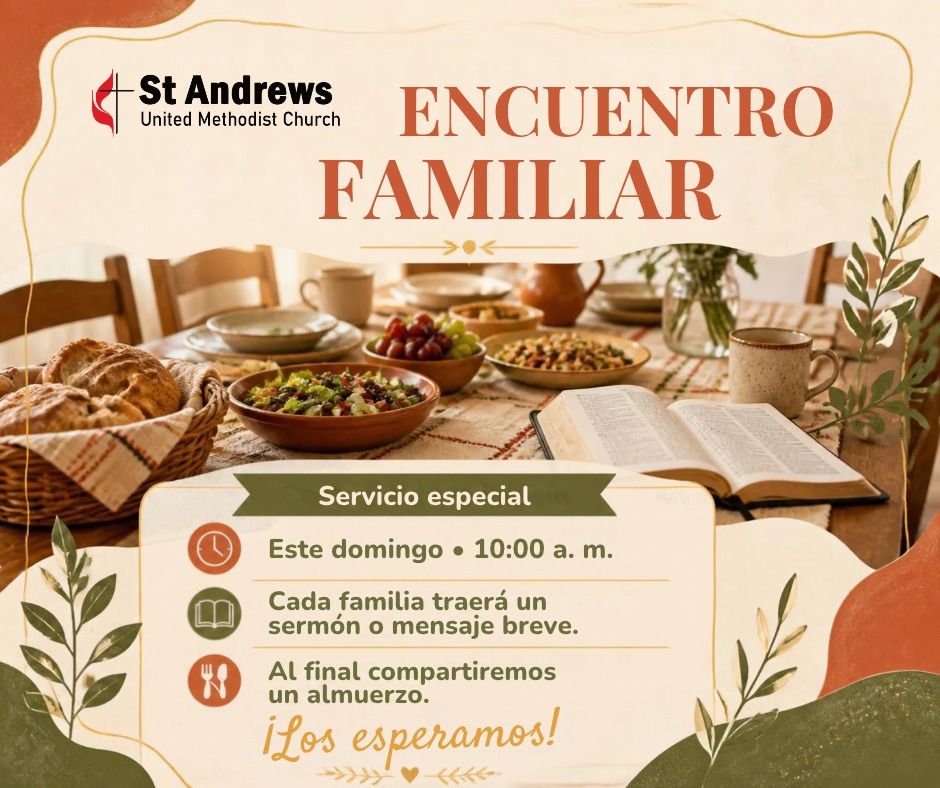







A table can make a stranger stop feeling strange.
Jesus begins his parable by saying that: “The kingdom of heaven is like a king who made a wedding feast for his son.” The king prepares the table and invites people. But some reject the invitation. Then the king sends for others. The table opens. The invitation is extended. And people who were apparently outside end up finding themselves inside the banquet.
Matthew 22:1 begins by saying that Jesus spoke again through a parable.
Jesus is speaking in a context of tension with the religious leaders of his day. The parable questions a dangerous attitude: believing that because we have been invited once, we are automatically living within God’s will. The problem is not that God has stopped inviting.
The problem is that some guests declined the invitation.
The message is: “God wants to have fellowship with you.” The banquet is a symbol of abundance, but of the abundance of the values of the Kingdom of God. It is the image of a humanity reconciled with God and gathered in a new community full of love and solidarity.
That is why we find the same image in other biblical texts: Isaiah 25:6, God prepares a banquet for the peoples.
Luke 14:15-24: Jesus again uses the image of a great banquet.
Revelation 19:9: The image of the banquet of the marriage of the Lamb appears.
The Bible begins with God creating a world for life and ends with an image of celebration and fellowship. The banquet that humanity lives is usually one of selfishness, vainglory, and relationships broken for these reasons.
What does the banquet mean to us today?
God’s banquet reminds us that the Christian life is not just about attending a religious building. It means entering into a new way of living. The banquet represents:
1. A table of grace
No one can say, “I deserved to be here.”
We are all invited by grace.
2. An inclusion table
Jesus’ table breaks down many barriers: national; economic; social; cultural; generational. In the Kingdom of God we are not only: of different races, countries, cultures, etc., like ” Mexicans, ” “Puerto Ricans,””Dominicans”, “Salvadorans”, “Guatemalans”, “Colombians”, “Peruvians”, “Ecuadorians”, “Venezuelans”, or “Americans”.
First of all, we are people, human beings in the image and likeness of God. For her, the table that includes everyone, especially the weakest and most forgotten in this world, represents the grace of seeing each other with dignity and empathy.
3. A reconciliation table:
God’s table invites us to leave behind hatred, division, and resentment.
5. A mission table
Whoever has received an invitation is called to invite others.
The banquet invites us to stop. God says: “Come to the table.” Not only: “Work harder.” Not only: “Produce more.” Not only: “Get more.”
God says: “Come. Rest. Eat. Celebrate. Commune with me.”
God’s Table Opens to Those Outside,
When the first guests reject the invitation, the king says: “Go therefore to the roadsides, and call to the wedding as many as you find.”
Something extraordinary happens here.
Those who were initially out are called. This speaks to us of the breadth of God’s grace. The roads represent the places where people meet. And that has a huge implication for the church. The church does not exist only for those who are already inside.
The church exists also for those who are still outside. To: the newcomer; the person alone; the family that has just arrived in this country; the young person who feels disconnected; the person who has lost faith, who has questions, who is wounded by a religious experience; who thinks that God no longer wants him.
The question for our church is: Who are the people we have not yet invited to the table?
The Banquet Transforms the Way We Treat Others
Matthew 22:11-12 introduces a difficult part of the parable. The king finds a person who has no wedding dress. This should not be interpreted simply to mean that God is looking for reasons to cast people out.
The image of the garment points to the transformation that befits those who enter the Kingdom. It is not enough to physically enter the banquet. We must allow grace to transform our lives.
In other words: Grace greets us as we are, but does not leave us as we are. God invites us just as we are: with wounds, with errors, with sins, with complicated stories, with questions, with failures.
But grace begins a process of transformation.
Publish Sunday October 11, 2026
Watch video: